

WALKIE-TALKIE Method - Stories, Healing, Placemaking, and Cities. A Geospatial Art-Science Walking Method
This project was presented at the congress of the International Society for Arts & Medicine (ISfAM) entitled “The Healing Arts - Forging Alliances of Arts & Medicine”. The congress is designed as a platform for interdisciplinary exchange at the intersection of art, medicine and health. The event brought together medicalprofessionals, artists, researchers, practitioners and students from around theworld, offering opportunities for collaboration and networking acrosscontinents and disciplines.
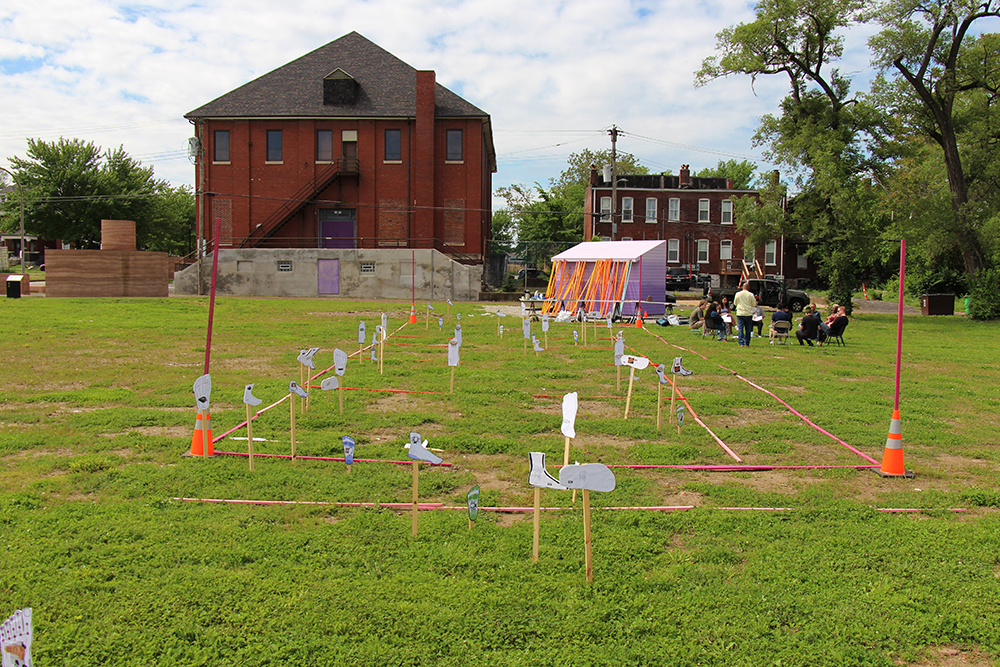
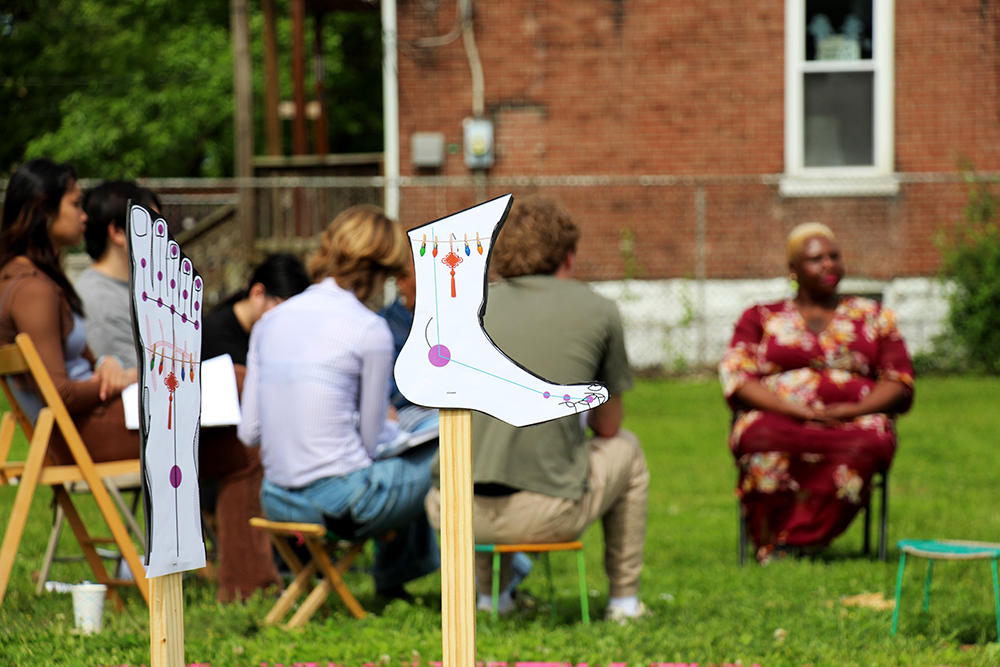
Walkie-talkie was a presentation & intervention grounded in walking research. The method is organized around three human types of feet:
- Body Feet—biometric gait, physical health, and neurocognitive empowerment
- Poetic Feet— “scansion”; measure of voice, accent, breath, rhythm, stories
- Architectural Feet—measurement of homes, buildings, landscapes, civil engineering
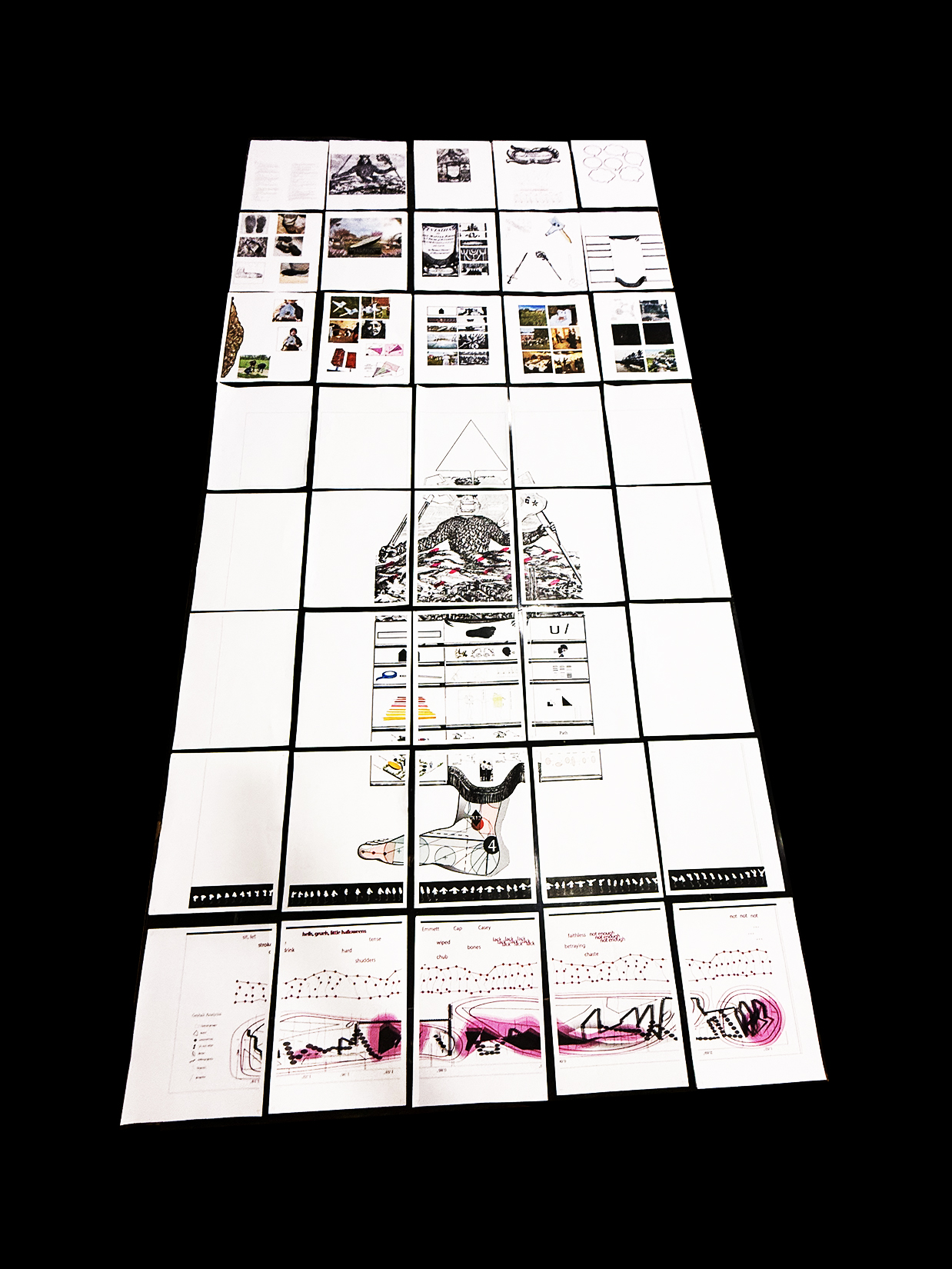
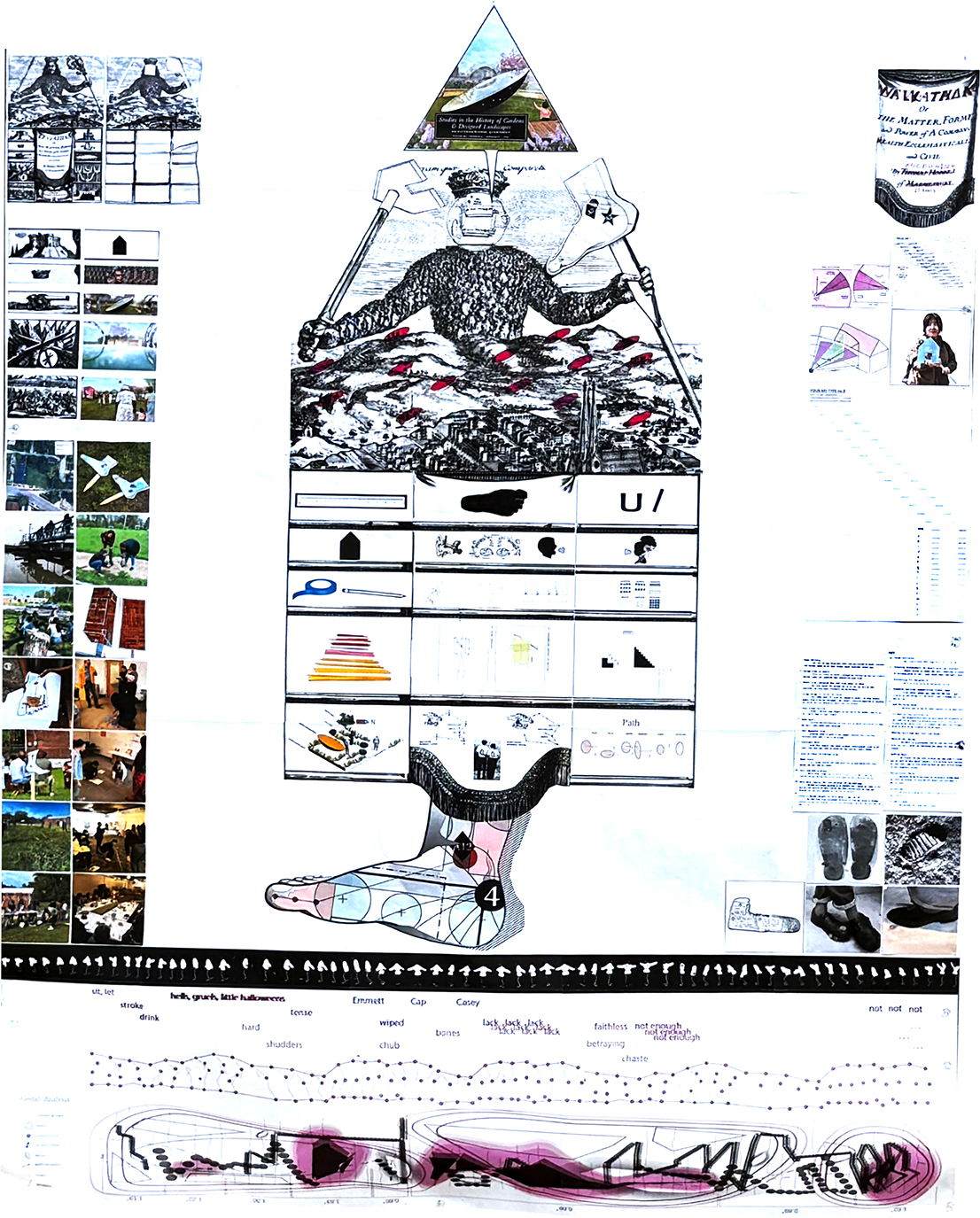

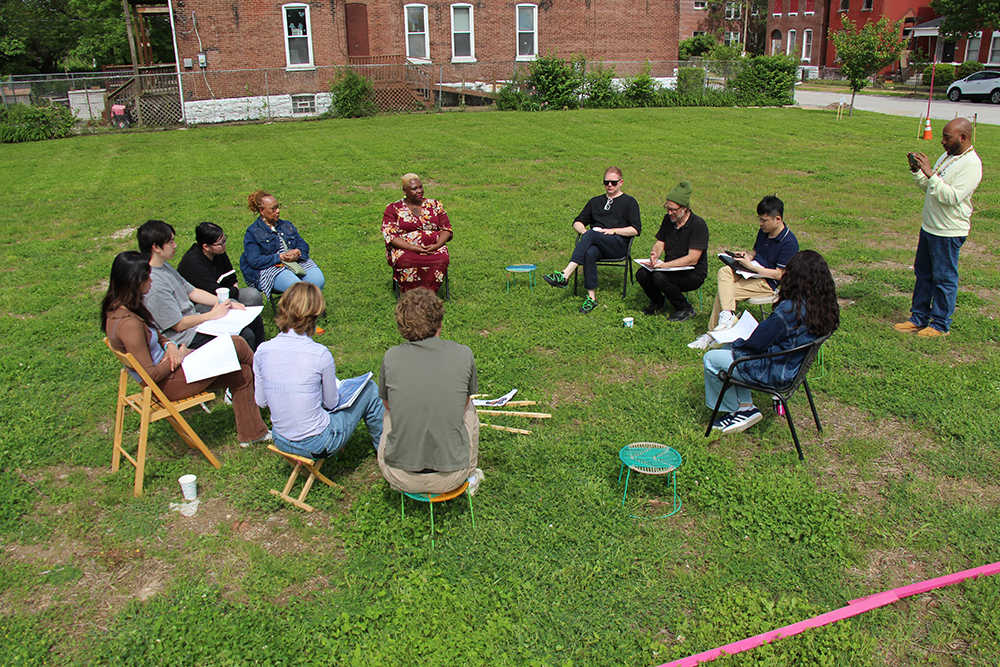
The walkie-talkie method starts with one person’s memory of home. Through talking and walking, memories and stories of home are translated and transformed into walking paths and water paths. Landscape green-infrastructure, like storm and wastewater management, are treated as occasions for public art and preservation. This walking method counters memory loss due to demolition and erasure that takes place in cities during the20th and 21st centuries under urban renewal and slum clearance polices. By re-activating the ancient Method of Loci (Memory Palace), this approach treats personal memories of home as cultural artefacts embedded within a landscape that can reactivated to generate placemaking. Walking offers measurable public health and neurocognitive benefits. In this method walking paths become a tool for ecological repair, social engagement, concrete poetry as public-health activation. “The walker becomes the landscape.” (Cole Swenson; On Walking On). Together with landscape architects, artists, students, storm-water engineers, poets and storytellers, public-health experts, sociologists and community members, this method walks, talks, maps, notates, annotates, and reimagines the landscapes that we call home.
Thomas Hobbes’ Leviathan (1651) contains a remarkable frontispieces designed by Abraham Bosse (ca. 1604-1676) symbolically depicting earthly power, ecclesiastical power merging into one man. In this research, health is wealth and a commonhealth is the commonwealth. The sovereign man is replaced by common rivers. "The court" is moved outside in public space and governed by the community. The hoe replaces the sword, the priest's crosier by a sign in the shape of a foot marking one step in one persons life path.
The Walkie-Talkie method approach is grounded in over two decades of walking and writing research first published in World Literature Today (2011) in a special edition dedicated to the vibrant overlaps between poetry and science. Ellingsen continues to design city-specific multi-sensory walking projects in art exhibitions and schools around the world.
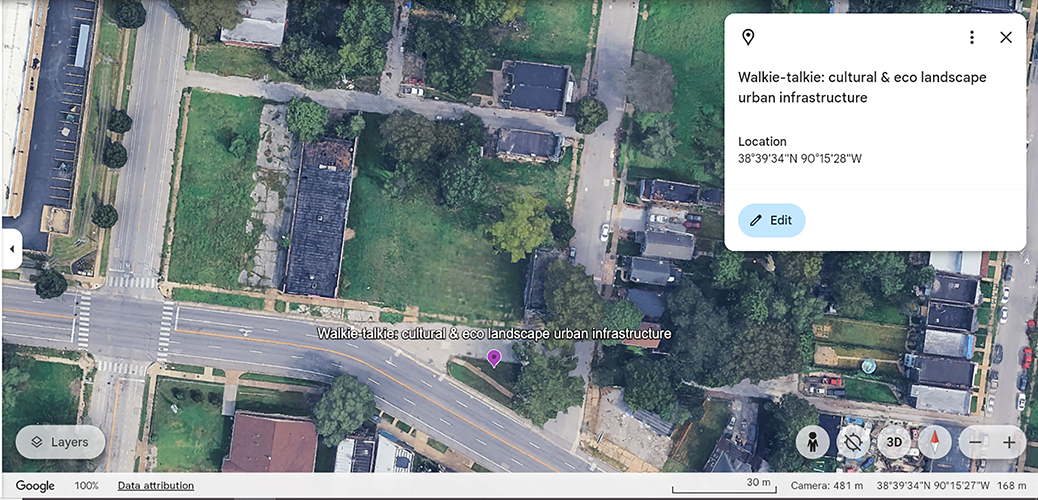
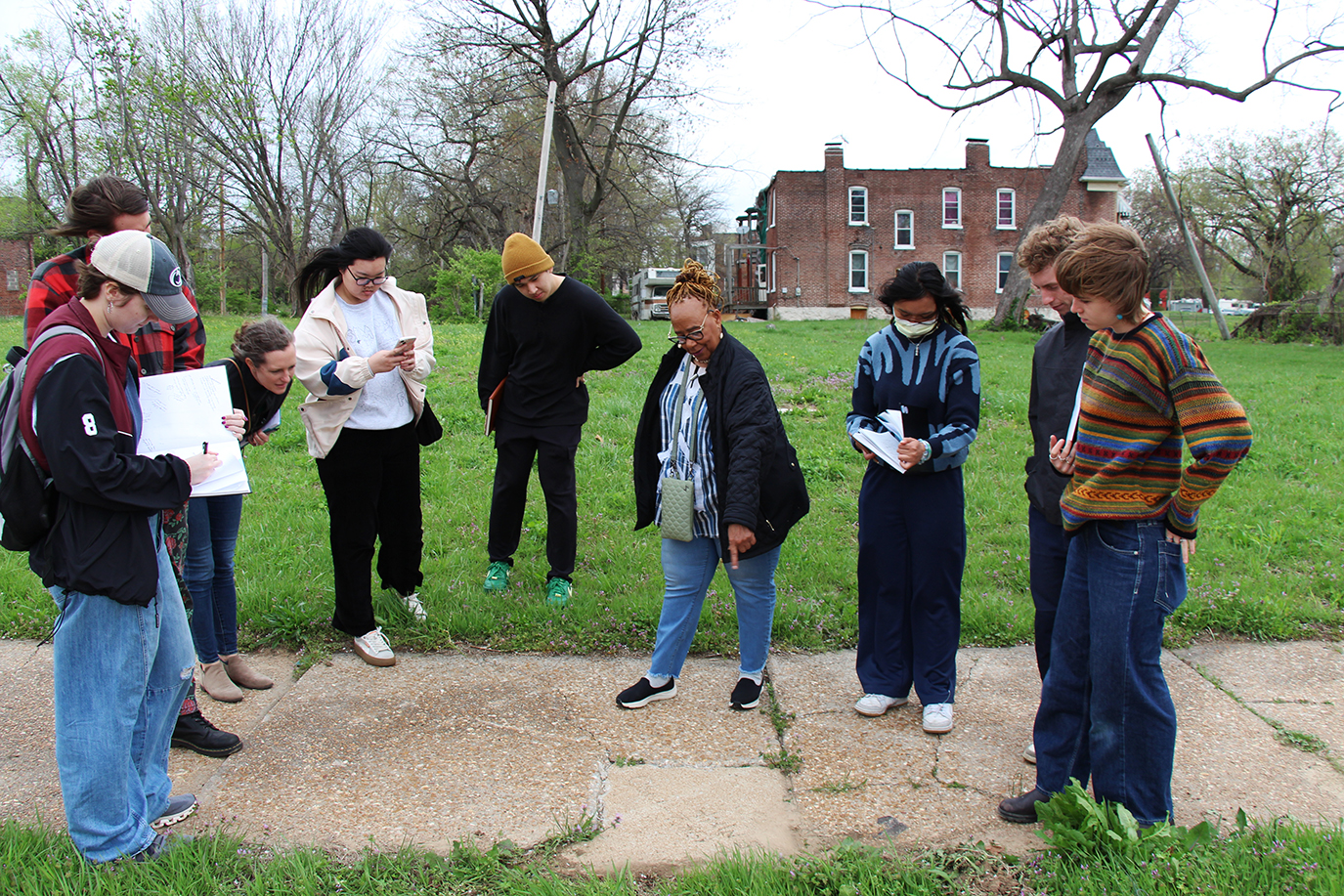
This research extends the Mellon Foundation funded Black HerStory Initiative, for which I served as co-Principal Investigator, reframing a city-wide walk-finding as wayfinding marker system. Through interpretive walking trails, public signage, and raingardens, and in collaboration with The Griot Museum of Black History, this method was tested through “walkie-talkie” sessions with a local legend whose life story mirrors the story of cities and urbanization. This project is now at a phase for prototyping at one-to-one scale. Combining landscape infrastructure as public art collaborating withmicro-watersheds, emerging as bioretention corridors, and sites for raingardens that hold memory and water.
|
|
|
|
|
|
|
|
|
|
|
|
|
|
|
|
|
|
|
|
|
|
|
|
|
|
|
|
|
|
|
|
|
|
|
|
|
|
|
|
|
|
|
|
|
|
|
|
|
|
|
|
|
|
|
|
|
|
|
|
|
|
|
|
|
|
|
|
|
|
|
|
|
|
|
|
|
|
|
|
|
|
|
|
|
|
|
|
|
|
|
|
|
|
|
|
|
|
|
|
|
|
|
|
|
|
|
|
|
|
|
|
|
|
|
|
|
|
|
|
|
|
|
|
|
|
|
|
|
|
|
|
|
|
|
|
|
|
|
|
|
|
|
|
|
|
|
|
|
|
|
|
|
|
|
|
|
|
|
|
|
|
|
|
|
|
|
|
|
|
|
|
|
|
|
|
|
|
|
|
|
|
|
|
|
|
|
|
|
|
|
|
|
|
|
|
|
|
|
|
|
|
|
|
|
|
|
|
|
|
|
|
|
|
|
|
|
|
|
|
|
|
|
|
|
|
|
|
|
|
|
|
|
|
|
|
|
|
|
|
|
|
|
|
|
|
|
|
|
|
|
|
|
|
|
|
|
|
|
|
|
|
|
|
|
|
|
|
|
|
|
|
|
|
|
|
|
|
|
|
|
|
|
|
|
|
|
|
|
|
|
|
|
|
|
|
|
|
|
|
|
|
|
|
|
|
|
|
|
|
|
|
|
|
|
|
|
|
|
|
|
|
|
|
|
|
|
|
|
|
|
|
|
|
|
|
|
|
|
|
|
|
|
|
|
|
|
|
|
|
|
|
|
|
|
|
|
|
|
|
|
|
|
|
|
|
|
|
|
|
|
|
|
|
|
|
|
|
|
|
|
|
|
|
|
|
|
|
|
|
|
|
|
|
|
|
|
|
|
|
|
|
|
|
|
|
|
|
|
|
|
|
|
|
|
|
|
|
|
|
|
|
|
|
|
|
|
|
|
|
|
|
|
|
|
|
|
|
|
|
|
|
|
|
|
|
|
|
|
|
|
|
|
|
|
|
|
|
|
|
|
|
|
|
|
|
|
|
|
|
|
|
|
|
|
|
Berlin, Germany
Art, Science, Public Health, Landscape Architecture
Action-based Landscape Architecture research
Presenter and installation
research conducted with partners:
(institution) Griot Museum of Black History (person) Mrs. Lois Conley
(institution) Washington University in St Louis (students from public health; architecture; landscape architecture; art)
(institution) Missouri Sewer District - Green Infrastructure Manager (person) Jenna Jarvis
https://raumexperimente.net/en/#/cat/walk